
Blog

In today’s fast-paced world, many parents want to support their child’s learning but aren’t always sure how. At Glenoaks School, we believe that meaningful progress doesn’t always require complex systems, sometimes, the most effective strategies are simple, consistent, and relationship-driven. One such strategy is Paired Reading, a powerful, evidence-based approach that strengthens both reading skills and […]

MARCH is Mental Health Awareness Month and is an opportunity to highlight the importance of mental well-being. By fostering open discussions, offering support, and prioritizing self-care, we can create a more compassionate world where everyone has access to the help they need. AS THE SEASONS CHANGE SO DO WE The transition from Summer to Autumn brings […]
It was a privilege to welcome so many of you to our Parent Information Evenings this week. These evenings are more than just a logistical update; they are an opportunity for us to align our focus for the year. During our welcome address, I shared two pieces of work that I believe are vital for the […]

Co-regulation – a parenting buzzword. What is it, and why is it so important, especially for children whose brains and bodies work differently? While it’s currently in the spotlight, it’s not a new idea. Co-regulation is a deeply human need we all rely on throughout life. What is Co-Regulation? Co-regulation is supporting children in tough […]
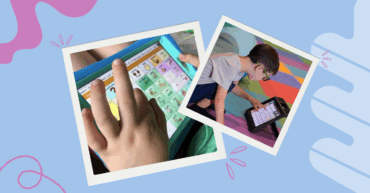
Communication is at the heart of learning and connection. For many children and adults, Augmentative and Alternative Communication (AAC) gives them a voice, a way to share their thoughts, needs, and personalities. Here are a few common myths and the facts behind them: 🔹 Myth 1: “AAC is only for people who can’t talk at all.” […]

The rationale behind an IEP is rooted in the Children’s Act of South Africa, which mandates that students with disabilities receive appropriate education that prepares them for post-school outcomes. By developing and implementing an IEP, educators and parents can work together to provide a personalised education that addresses the unique needs and goals of each […]

Understanding Early Intervention Early intervention is the timely provision of specialized services (including speech and language therapy, occupational therapy, physical therapy and special education) and assistance to young children who are experiencing delays or problems in their development. Early intervention in speech and language focuses on children between the ages of one and five, as […]

Mastering School Transitions: A Guide for Students, Parents, and Educators In the intricate tapestry of a student’s academic journey, transitions represent pivotal moments that can significantly shape both their educational experience and personal growth. Whether moving from one school to another or ascending to a higher grade, these transitions carry profound implications for academic performance […]

In the realm of special needs education, the dynamic interplay between parents and educators has assumed a paramount role, giving rise to a collaborative approach that is instrumental in the comprehensive development of special needs children. This article delves into the multifaceted dimensions of this collaboration, shedding light on its significance and the evolving landscape […]

It’s easy to say that you must have reasonable expectations of your child, but what is “reasonable”? In this day and age and particularly in South Africa, we have been conditioned to believe that there is only one path to success, and that our children need to have academic talents at all cost. But not […]
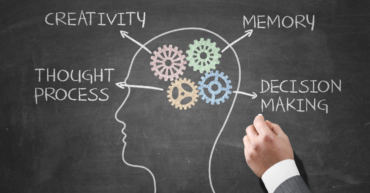
Executive functions are like the brain’s conductors, orchestrating learning and thinking processes that are vital for a child’s development. In the realm of speech and language, these functions play a pivotal role in laying the foundation for effective communication. What are Executive Functions? Executive functions encompass a set of thinking and organizing abilities that help […]
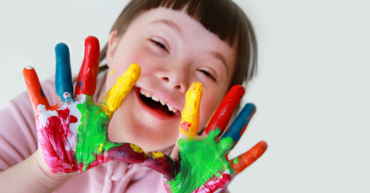
Down Syndrome is a genetic condition that causes mild to serious physical and mental problems. Children who have Down Syndrome have an extra chromosome (21). There are three types of Down Syndrome. Trisomy 21 is where every cell has an extra copy of chromosome 21. Translocation Downs Syndrome is where each cell has a pat […]