
Articles

Have you ever noticed that children rarely see the adults in their lives sitting down to write something on a piece of paper? They see us sending text messages, making to-do lists, or working on a device, but how often do they see us physically writing something creative? From Grade 3 to 7, we encourage […]

Reading is a multifaceted process involving word recognition, comprehension, fluency and motivation. Reading in its fullest sense involves weaving together each of these aspects and each is important. Our brains were not wired for reading – therefore it needs to be taught. Dr Seuss put it quite simply – The more that you read, The […]

When the World is Not Making Sense: Navigating Sensory Processing Challenges with Our Children Parenting is a remarkable journey filled with the joy of witnessing your child’s growth and development. One aspect of this is sensory development as children learn to engage and interact with the world around them. However, for some children, particularly those […]

Empowering Your Child’s Learning Journey: Recognising the Need for Academic Learner Support (Remedial Therapy) Every child’s learning journey is unique, and as parents, we play a crucial role in nurturing their academic growth and development. However, some children may face challenges that require specialised support to reach their full potential. In South Africa, academic learner […]

Phonological awareness refers to the ability to recognize and manipulate the sounds or phonemes in spoken language. Having good phonological awareness skills means that a child can ‘play’ with sounds and words. For example, a teacher or speech therapist might ask a child to break the word ‘dog’ into its individual sounds: d-o-g.
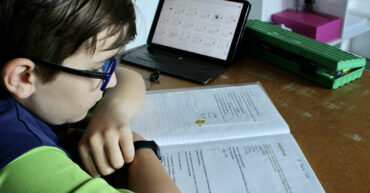
At Glenoaks Remedial and Vocational school in Johannesburg, we have seen the real benefits of using technology in our classrooms. The use of technology boosts and extends students but is also incredibly useful for removing many of the barriers to learning that our students face.
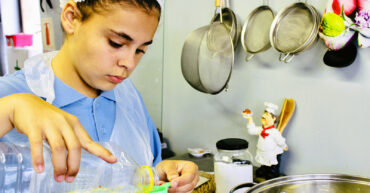
Cooking can be a relaxing and enjoyable activity that brings people together. For individuals on the autism spectrum, cooking offers a variety of benefits beyond just a delicious meal. Cooking can help develop fine motor skills, increase independence, improve focus and attention, and provide a sense of accomplishment.

At Glenoaks Remedial and Vocational School, we recognise that our neurodiverse learners’ differences are part of a natural variation that don’t need to be remediated or changed. Our learners often find a sense of community with peers in the neurodivergent population. We see that they start to form a sense of identity and independence when they find their comfortable space and place.
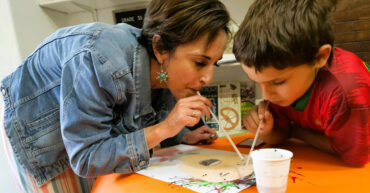
Parental involvement plays an essential role- in a child’s development and success. Research has consistently shown that children whose parents are involved in their education tend to achieve better academic results, show a positive attitude towards homework and school in general, school attendance is more regular, they have better social skills and show improved behavior at school.
Autism, is currently referred to as Autism Spectrum Disorder (ASD) although people with ASD themselves consider Autism a neurodiversity rather than a disorder. Almost 2% of the world’s population is diagnosed as being on the Autistic spectrum.
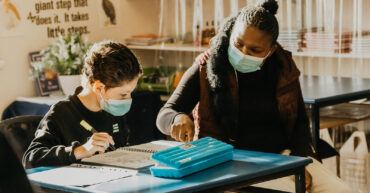
By closing the gaps
between what a student knows and can do and what they are expected to know by a certain grade, we can help learners who have fallen behind academically.

What is it? “Specific Learning Disorder” – both are lifelong conditions. DYSLEXIA Kids with dyslexia have trouble reading accurately and fluently. They may also have trouble reading comprehension, spelling, and written expression. Preschool: delayed speech development, problems expressing themselves using speech, little understanding of rhyming words, difficulty with understanding (on oral level) the initial sounds […]